


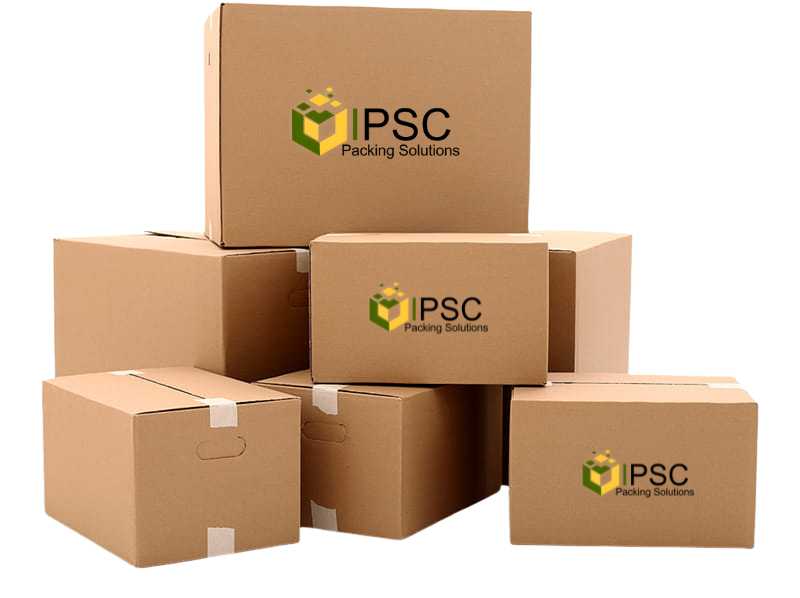
Corrugated cardboard is the backbone of the global packaging industry. Whether you are a business owner seeking the best way to protect your products or a buyer looking to understand the quality of the boxes you order, this article provides everything you need to know about corrugated cardboard from both a technical and industrial perspective.
What is Corrugated Cardboard?
Corrugated cardboard is more than just thick paper; it is a piece of clever engineering based on merging three or more layers. The basic structure consists of:
- Liners: The inner and outer flat layers that provide a smooth surface for printing.
- Fluting: The arched layer in the middle that gives the board its strength and shock-absorption capabilities.
Industrial Phases: From Paper to Box
Preparation:
Huge rolls of Kraft paper (for liners) and fluting paper are brought in. The paper is heated and moistened to become flexible enough for shaping.
Corrugating:
The fluting paper passes through large geared rollers (corrugating rolls) to create the wave shape. Adhesive (usually starch-based) is applied to the tips of the flutes.
Glueing & Pressing:
The liners are pressed onto the corrugated medium under high heat to ensure a permanent bond, creating the "corrugated sheet."
Slitting & Converting:
Large sheets are cut to specific dimensions and then moved to the "converting" stage, where slots and creases are made to prepare the box for assembly.
Printing & Finishing:
Logos and data are printed using techniques like Flexography. Finally, the boxes are folded, glued or stapled, and bundled for shipment.
Types of Corrugated Board (Buyer's Guide)
When purchasing, you must choose the board type based on product weight:
- Single Wall (3-Ply): Most common for standard shipping.
- Double Wall (5-Ply): For heavy items like appliances.
- Triple Wall (7-Ply): For heavy industrial use and international export.
Uses of Corrugated Cardboard
Uses extend beyond shipping boxes to include:
- Food Industry: Fruit, vegetable, and pizza boxes (offering thermal insulation).
- Electronics: Providing superior shock protection.
- Retail: Point-of-purchase displays in supermarkets.
- Furniture: Protecting corners and surfaces during transit.
Tips for Buyers
To ensure the best quality, check the ECT (Edge Crush Test), which measures the box's resistance to crushing when stacked. Also, pay attention to the flute type (A, B, C, E, F); for instance, E-Flute is best if you require high-quality, detailed printing on small retail boxes.
Conclusion: Corrugated cardboard is an economical, eco-friendly (100% recyclable), and highly flexible option to suit all your business needs.
Q: What is the difference between corrugated cardboard and plain cardboard?
A: Plain cardboard is a single thick sheet (like a cereal box). Corrugated cardboard consists of multiple layers, including internal "flutes" that provide structural strength and shock absorption not found in standard cardboard.
Q: Is corrugated cardboard waterproof?
A: Standard corrugated board is not waterproof. However, it can be treated with wax or special coatings to make it resistant to moisture and liquids, which is commonly used for shipping produce or seafood.
Q: How do I know how much weight a box can carry?
A: You should check the "Box Manufacturer’s Certificate" (BMC) usually printed on the bottom flap. It indicates the ECT (Edge Crush Test) rating. A higher number means the box can support more weight when stacked.
