


Corrugated cardboard is the backbone of the modern packaging industry, used in shipping, storing, and protecting over 90% of products globally. In Egypt, this sector is experiencing an exceptional boom. The Egyptian paperboard packaging market was valued at USD 2.42 billion in 2025 and is projected to grow at a CAGR of 4.13%, reaching USD 3.09 billion by 2031. This growth makes it a vital sector for companies seeking secure logistics solutions.
What is Corrugated Cardboard Made Of?
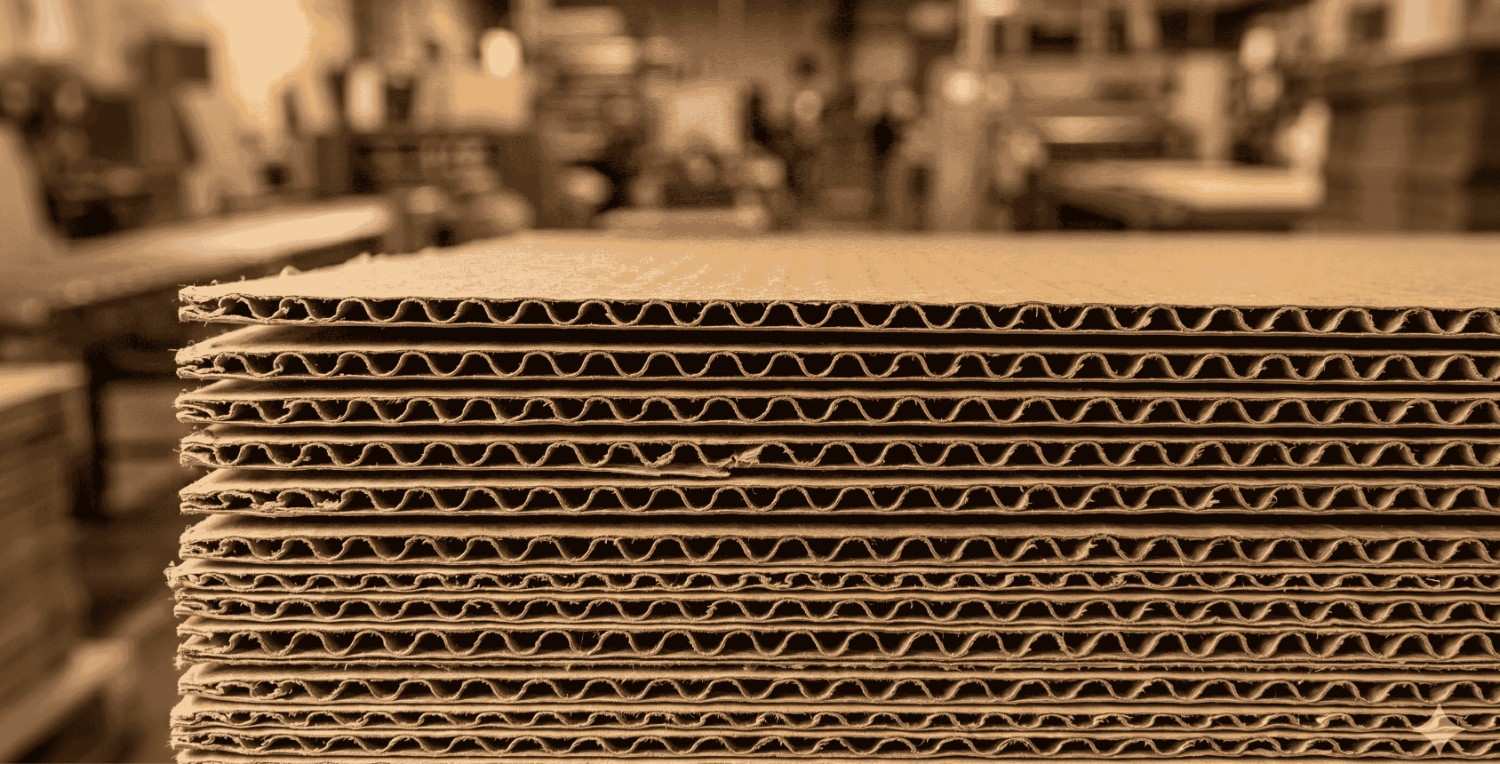
Corrugated cardboard is not just thick paper; it is a smart geometric structure composed of three main layers: two flat outer and inner layers known as liners, separated by a wavy middle layer called fluting.
1. Kraftliner: Made from virgin softwood fibers, it is the strongest and most tear-resistant paper, making it ideal for the outer layer and heavy-duty shipping boxes.
2. Testliner: Made from recycled paper fibers, it is typically used for inner layers or as an economical, eco-friendly alternative for standard applications.
3. Fluting Medium: This wavy layer provides exceptional cushioning and shock absorption, preventing fragile products from breaking during transit vibrations.
Benefits of Corrugated Cardboard for Businesses:
Superior Protection: The corrugated structure provides rigidity and resistance to vertical pressure, measured by the Edge Crush Test (ECT) to ensure boxes can withstand heavy weights while stacked in warehouses.
Eco-Friendly and Sustainable: Corrugated packaging is 100% recyclable and made from renewable resources, making it the perfect choice for brands aiming to reduce their carbon footprint.
Lightweight and Cost-Effective: Despite its extreme durability, it is lightweight, which significantly reduces fuel consumption and logistical shipping costs compared to wooden crates.
