


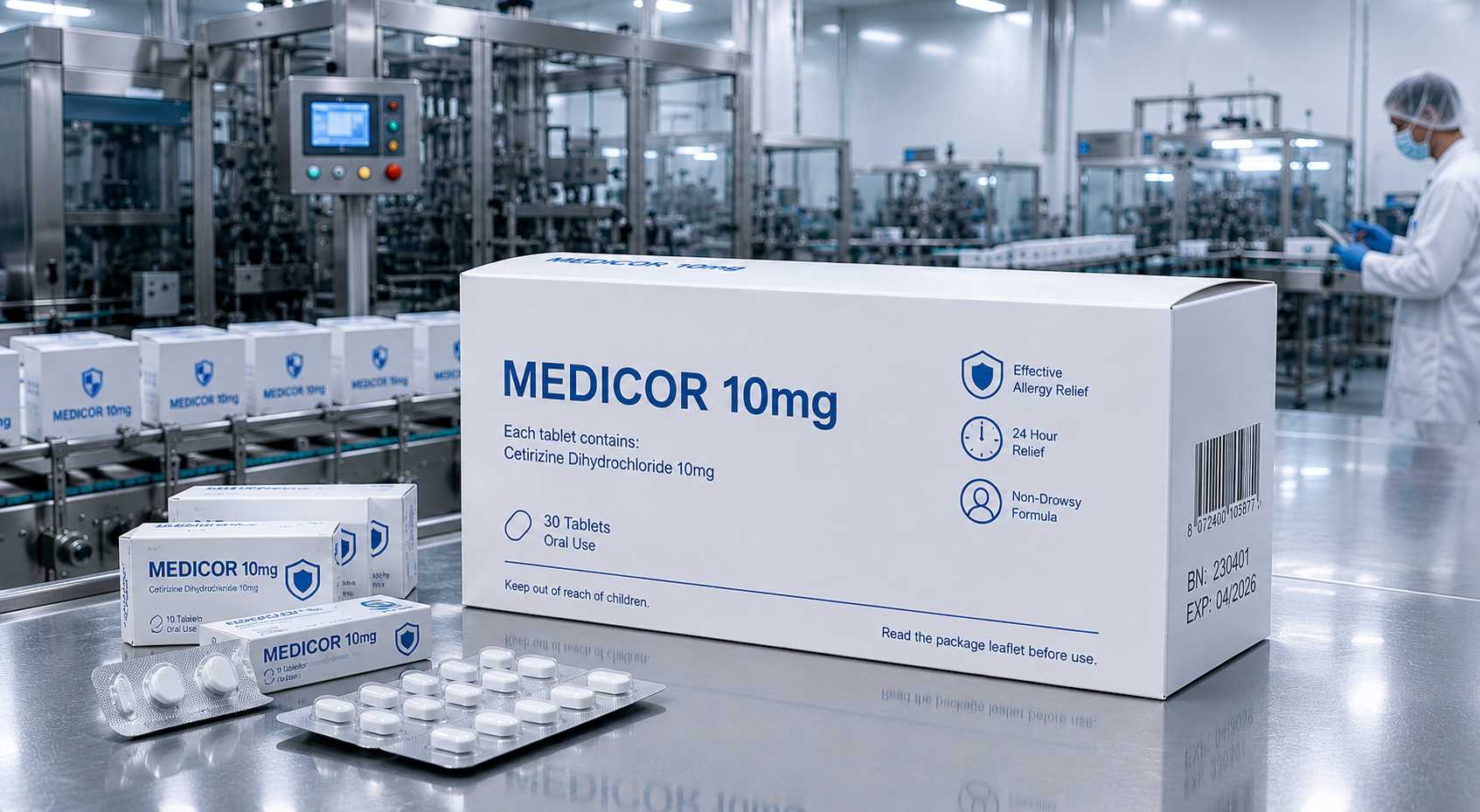
The medical and healthcare sector is one of the most critical industries when it comes to packaging. In pharma packaging, it’s not just about the look of the box; it's about patient safety and compliance. Manufacturing these boxes and cartons follows very strict standards. Their purpose isn't just packaging: it’s protection and legal compliance. The carton must protect the product from damage, provide clean and readable printing for medical info and most importantly help consumers spot original medicine boxes from counterfeits, which pose a major risk to public health.
Main Roles of Boxes and Cartons in Pharma:
A. Folding Cartons
These are the small boxes used for items like blister packs, eye drops, or medical supplies like syringes and gauze.
-
Protection: They protect medicine bottles from breaking and blister packs from getting punctured or exposed to light and moisture.
-
Information Printing: Crucial details like dosage instructions and warnings are printed directly on the box.
-
Tamper-Evident Features: These boxes are designed with lock-tabs or seals that clearly show if the box has been opened before, ensuring the product hasn't been touched.
B. Corrugated Boxes
These are the big boxes made of multi-layer corrugated paper (3-ply or 5-ply), used for shipping and storing large amounts of medicines or medical devices.
-
Shock Absorption: The design of the corrugated carton protects sensitive and expensive medical shipments from bumps during transport by land, sea, or air.
-
Withstanding Weight and Stacking: These shipping cartons are made to handle heavy weight when stacked on top of each other in warehouses without collapsing or crushing the products inside.
-
Moisture Resistance: Because moisture ruins medicine, these cartons are often treated with special coatings to protect the inside from changing weather and humidity during transport.
